
A leading researcher at the University of Tehran's College of Engineering: The future of engineering depends on advanced materials, simulation, and human resource training
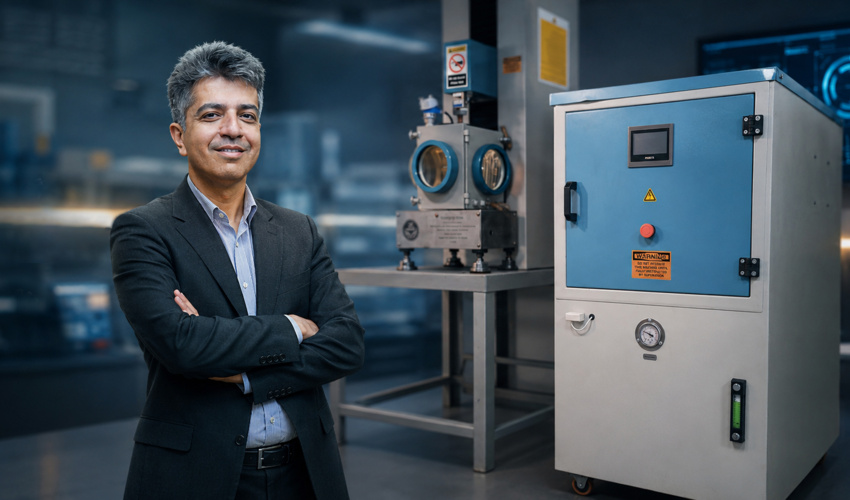
Dr. Mostafa Baghani, a professor at the School of Mechanical Engineering of the College of Engineering and a featured researcher at the university's 1404 AH research festival, emphasized the fundamental role of mechanical engineering in the development of new technologies in an interview describing his scientific activities, saying that this field is considered the foundation of many engineering branches due to its wide range of applications and today, more than ever, it is linked to fields such as artificial intelligence, advanced computing, and medical sciences.
Referring to the importance of mathematics in mechanical engineering education, he noted that recent advances in computational simulations and increased computer processing power have made it possible to model complex phenomena that were inaccessible until a few years ago. According to him, the introduction of technologies such as quantum computing can create a fundamental change in engineering research.Baghani has devoted a significant portion of his research activities to interdisciplinary collaborations with the medical field. He explained:
Our research team has implemented projects using computational simulation methods in the fields of modeling heart, brain, and liver tissues, analyzing osteoporosis, and optimizing drug delivery systems for cancer patients. The results of some of these studies have helped reduce treatment times and improve medical processes, and have attracted the attention of medical and research centers.
The university professor also announced the design and development of innovative laboratory equipment, including a multipurpose tensile testing machine that allows for the investigation of material behavior under variable temperature conditions and is used to study advanced and biocompatible materials. According to him, such tools have led to the publication of dozens of scientific papers and international collaborations, in addition to patents.
Referring to his experience of collaborating with researchers and universities around the world, Dr. Baghani believes that the scientific capacity of Iranian researchers is at a high level, but technological development requires continuous investment, support for research, and the creation of effective mechanisms for transferring academic achievements to industry. He suggested that universities use the capacity of specialized units to commercialize research and create connections between researchers and investors.
In another part of his speech, he considered "student training" to be the most important achievement of a university professor and stated that cultivating capable researchers and specialists has a more lasting impact than producing any technological product. Referring to supervising more than 150 master's and doctoral theses, he described the success of his students in universities and research centers inside and outside the country as the most valuable result of his years of educational and research activities.
In conclusion, this exemplary researcher, looking at the future of science and technology, listed the development of advanced materials and smart materials as one of the most important trends of the 21st century and said:
Advances such as self-healing materials, smart medical devices, and highly efficient materials could fundamentally transform lifestyles, industry, and engineering.
Your Comment :