
Results of research by researchers from the College of Engineering at the University of Tehran:
Electric vehicle battery management is the key to reducing hazardous waste
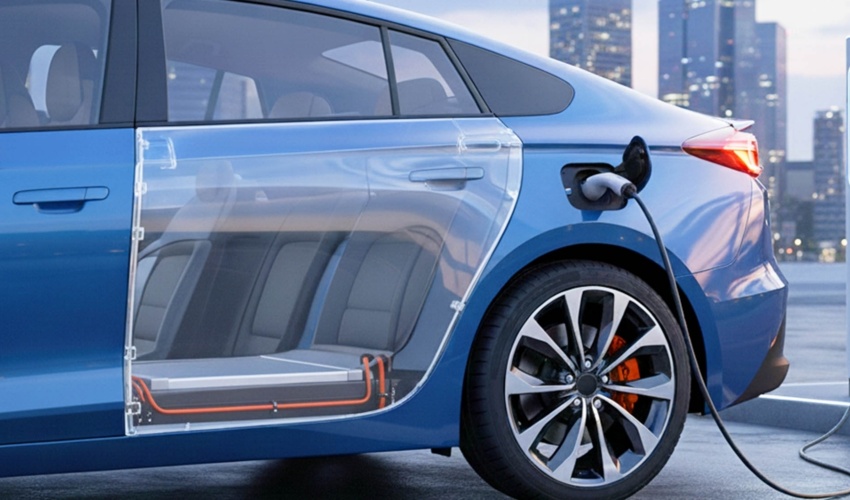
According to the public relations of the College of Engineering, the model designed by researchers of the school of industrial engineering of the University of Tehran, taking into account the existing uncertainties and relying on actively involving consumers to restore worn-out batteries, paves the way for a dramatic reduction in hazardous waste and sustainable supply of scarce resources.
Referring to the rapid expansion of the electric car market in the world, Dr. Syed Ali Torabi, professor of the school of industrial engineering of the College of Engineering of the University of Tehran, said: "with the increase in demand for these cars, the need to manage the battery life cycle of electric cars has also increased and has created serious environmental challenges such as the management of waste from these batteries and the provision of scarce resources". These batteries can potentially pose serious environmental risks at the end of their lives due to the complex combination of chemicals and the widespread use of scarce resources.
He added: "although various solutions have been considered to manage these batteries, there are still several challenges in creating an effective and efficient rotary supply chain for the use, recycling, and reproduction of batteries. In this context, reverse and closed-loop supply chains are used as conventional models for managing products at the end of their life, but these models face significant limitations in the face of the complexities associated with electric vehicle batteries, as these batteries are large, heavy and consist of independent cells with hazardous materials that make them difficult to transport and process. Also, the diversity of the conditions of the return batteries has complicated the reverse logistics process, and this cycle requires advanced systems to categorize and test these batteries to determine the next stage (recycling, reproduction, or reuse) during the reverse logistics process. On the other hand, Customer Relationship Management also plays a vital role in encouraging consumers to restore their used batteries. Effective customer relationship management strategies such as training customers, providing incentives, and facilitating the return process can also increase battery return rates and help realize the rotating supply chain.
The results of this study show that the use of new approaches, including the use of advanced mathematical models to manage uncertainty and actively involve consumers in the return of batteries, can help improve economic efficiency and reduce environmental impacts. This research not only provides solutions to optimize the management of electric vehicle batteries, but also helps to create a comprehensive framework for the development of a stable Rotary supply chain in this area.
The findings of the study could help decision-makers in the automotive industry, policymakers and researchers take steps towards achieving global environmental and economic goals.
The full text of the article is available at the following link:
https://www.sciencedirect.com/science/article/abs/pii/S0925527326001349
Your Comment :