
The School of Electrical and Computer Engineering has developed a solution for estimating air quality without the need to install new air quality monitoring stations
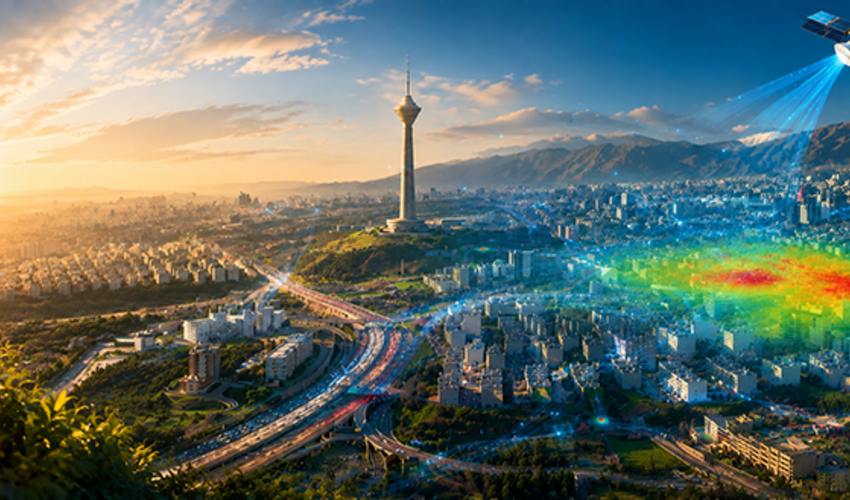
According to the Public Relations Office of the College of Engineering, researchers at the University of Tehran have proposed a new model, called the Dynamic Time-Fusion Neural Network (DTFGNN), in a scientific study. The model is capable of accurately estimating air pollutant concentrations in areas where air quality monitoring stations are unavailable.
Given the environmental and human harm caused by air pollution, cities around the world require accurate, comprehensive, real-time air quality monitoring. However, the high cost of installing and maintaining monitoring stations has resulted in insufficient coverage in many urban areas. This not only limits citizens’ access to reliable air quality information but also hinders city managers’ ability to make informed decisions during pollution crises.
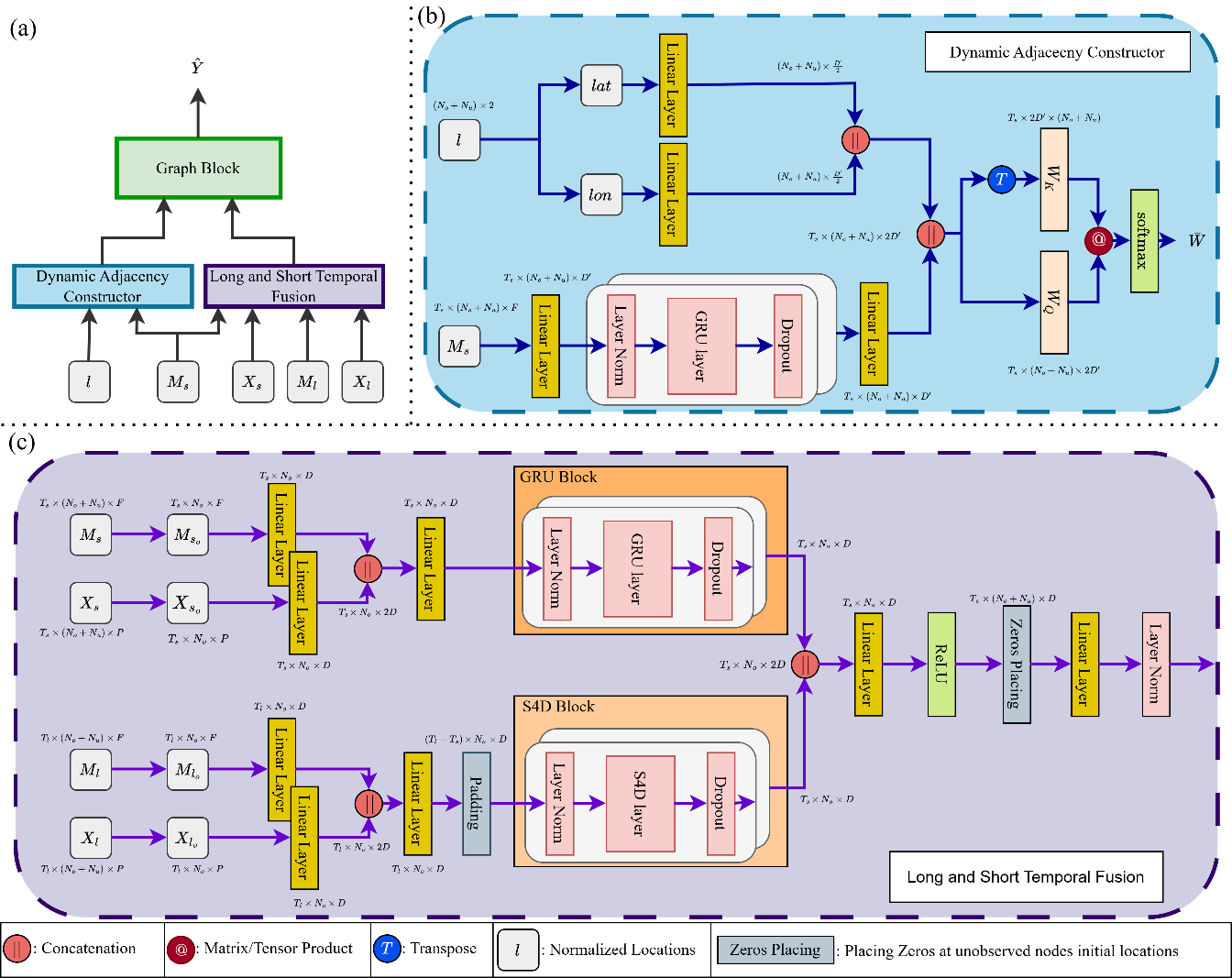
This study proposes a model to analyze complex spatial and temporal relationships between pollutants using limited data from air quality monitoring stations and meteorological information, and to estimate pollutant levels in areas where monitoring sensors are not installed. The two main innovations of the researchers at the University of Tehran are the development of a method that accounts for dynamic spatial relationships between target locations and existing monitoring stations, and the integration of short-term and long-term temporal dependencies to improve estimation accuracy. The model’s multilayer framework is shown in the figure.
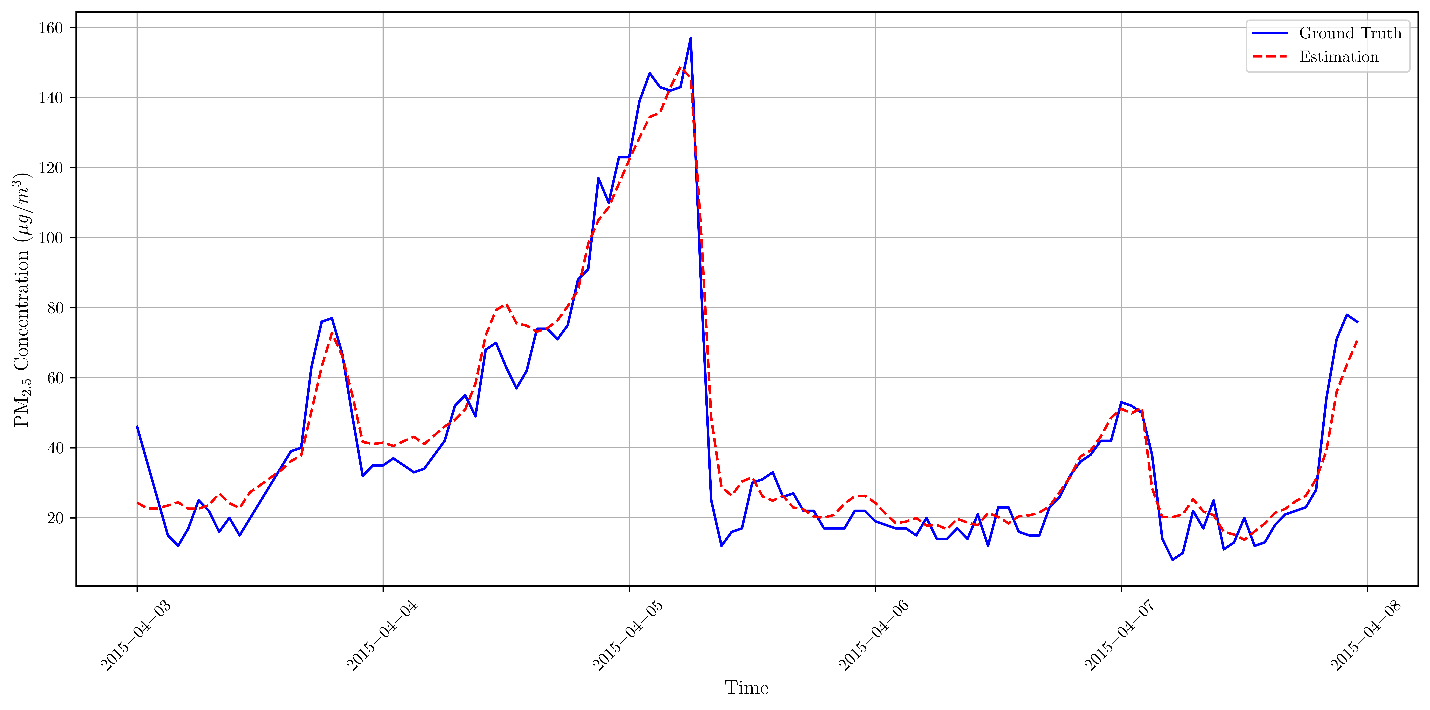
To evaluate the performance of the proposed method, two publicly available datasets from Beijing and London were used, and the proposed model was compared with numerous traditional methods and state-of-the-art approaches. The results show that the method outperforms existing techniques across almost all evaluation metrics and pollutants, reducing prediction error by 11%. For example, a comparison between the model’s estimates and the actual values for PM2.5 concentrations in Beijing over a specific time interval is shown in the figure below, demonstrating the high accuracy of the proposed method.
According to the researchers, such AI-based systems can provide citizens and city managers with accurate air quality information without requiring extensive and costly air pollution monitoring infrastructure. These technologies can also be applied in air quality warning systems, public information platforms, and decision-support systems for urban management.
This research was conducted by Amin Sheikhzadeh, a graduate of the School of Electrical and Computer Engineering at the University of Tehran, under the supervision of Dr. Behzad Moshiri, a professor in the School of Electrical and Computer Engineering at the University of Tehran and an associate professor at the University of Waterloo, Canada. The study was carried out in collaboration with Dr. Ebrahim Ghafarzadeh from York University, Canada, and its results have been published in the scientific journal Engineering Applications of Artificial Intelligence (impact factor: 8).
The full article can be accessed at the following link:
https://www.sciencedirect.com/science/article/abs/pii/S0952197626001569
Your Comment :